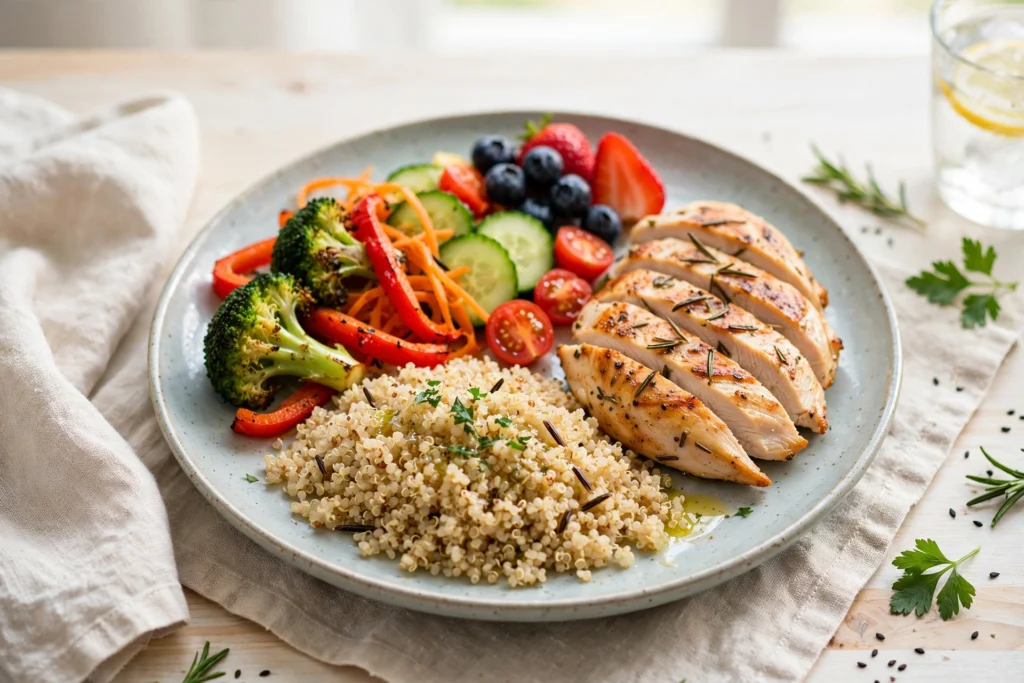
This guide to the best selenium foods for thyroid function explains why your thyroid hoards selenium, which foods deliver it, and how much is safe. Ask most people to name the nutrient that matters most for the thyroid, and they will say iodine. Iodine deserves its place — but there is a second mineral, working quietly behind the scenes, that your thyroid needs almost as much: selenium. Per gram of tissue, the thyroid gland holds more selenium than almost any other organ in the body. That is not a coincidence. It is a design requirement.
Selenium sits at the heart of proteins that convert your thyroid hormones into their active form and protect the gland from the oxidative stress that hormone production creates. When selenium intake is low, that protective machinery weakens — and when it is very high, a different set of problems begins. The thyroid is one organ where “more is better” is flat-out wrong.
The good news: for most people, meeting your selenium needs costs nothing more than the food already in your kitchen. A few eggs, some fish or chicken, lentils, whole grains, and — with caution — the occasional Brazil nut can cover your daily requirement comfortably. This guide explains the science in plain language, lists the best selenium-rich foods for thyroid function, shows you a practical South Asian sample day, and is honest about where the evidence stops — including what selenium can and cannot do for thyroid conditions like Hashimoto’s.
In this guide, you will learn:
– Why your thyroid hoards selenium, and the exact proteins it depends on (selenoproteins explained simply)
– The critical T4-to-T3 conversion step — and why selenium makes it possible
– How much selenium you actually need: the RDA, the upper limit, and who needs more
– Why the same food can contain ten times more selenium in one country than another (soil matters)
– 12 of the best selenium foods for thyroid function, with realistic amounts
– The Brazil nut warning: one nut a day or less, never handfuls
– What clinical trials really say about selenium and Hashimoto’s thyroiditis
– A full South Asian sample day delivering 55–100 mcg safely
– Why food beats supplements for most people — and how to supplement safely if you need to
– Selenosis warning signs: hair loss, nail changes, and how overdosing happens
Medical disclaimer: This article is for education only and is not medical advice. Thyroid conditions — including Hashimoto’s thyroiditis, Graves’ disease, hypothyroidism, and thyroid cancer — require proper medical diagnosis and treatment. Never stop or adjust prescribed thyroid medication (such as levothyroxine) based on dietary information. If you have a thyroid condition, are pregnant or breastfeeding, or take any medication, speak to your doctor or a registered nutritionist before changing your diet or taking supplements. Selenium supplements can interact with thyroid treatment and become toxic at high doses.
1. Why Your Thyroid Is Selenium’s Favourite Organ
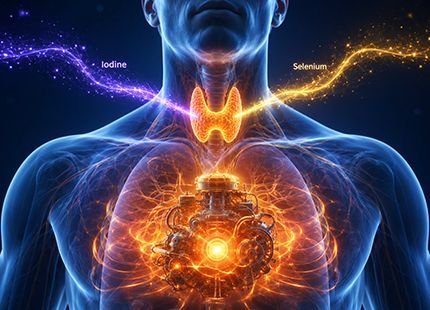
Selenium is a trace mineral, meaning you need it in tiny amounts — micrograms, not grams. But “tiny” does not mean “minor.” Selenium is a structural component of about 25 known proteins in the human body, collectively called selenoproteins. These are not generic antioxidants floating around your bloodstream. Several of them are produced specifically in the thyroid gland, and the thyroid keeps the highest selenium concentration per gram of tissue of virtually any organ.
Why would one small gland at the front of your neck collect so much of a rare mineral? The answer is the price of doing its job. Your thyroid manufactures hormones — primarily thyroxine (T4) — through a chemical process that generates hydrogen peroxide as a byproduct. Hydrogen peroxide is a potent oxidising agent; useful inside the hormone-making machinery, dangerous if it leaks. The thyroid therefore needs a constant, high-powered antioxidant defence system to survive its own manufacturing process. Selenium is the raw material for that defence system.
A second reason is conversion. The main hormone your thyroid secretes, T4, is essentially a storage and transport form. It is biologically inactive until it is converted into triiodothyronine (T3), the active hormone that regulates your metabolism, heart rate, body temperature, and energy. That conversion is performed by selenium-dependent enzymes. Without enough selenium, conversion falters.
The takeaway is simple: the thyroid’s two most fundamental jobs — making hormones safely and activating them — both run on selenium-dependent proteins. That is why selenium status and thyroid health are linked more tightly than for any other organ.
2. The Selenoproteins: What Selenium Actually Does Inside You
To understand selenium foods for thyroid function, you need to meet the selenoproteins — the actual molecular machines selenium builds. Here are the three families that matter most.
Glutathione Peroxidases: The Antioxidant Shield
Glutathione peroxidases (GPx for short) are a family of enzymes that neutralise hydrogen peroxide and other peroxides, converting them into harmless water. Several GPx enzymes are highly expressed in the thyroid gland — GPx3 is even secreted by thyroid cells themselves into the surrounding tissue.
Think of the thyroid as a factory that produces a useful product (T4) but also produces corrosive waste (hydrogen peroxide) on every production line. GPx enzymes are the waste-management crew, working around the clock. When selenium is scarce, GPx activity drops, hydrogen peroxide accumulates, and thyroid tissue suffers oxidative damage. Research suggests this vulnerability is one reason selenium deficiency is associated with thyroid injury, especially when combined with iodine deficiency — a double deficiency seen in some parts of the world.
This protective role matters for your whole body, not just the gland. Oxidative stress from low selenium status has been linked to broader cellular damage, and adequate intake keeps the GPx system running at full strength.
Iodothyronine Deiodinases: The T4-to-T3 Converters
The three iodothyronine deiodinases (D1, D2, and D3) are arguably selenium’s most direct contribution to thyroid function. These enzymes remove iodine atoms from thyroid hormone molecules, converting inactive T4 into active T3 (D1 and D2), or deactivating T4 and T3 into inactive forms when the body has enough (D3).
This conversion step is where thyroid metabolism actually happens. You can have perfectly normal T4 production and still have sluggish thyroid function at the tissue level if conversion is impaired. D1 and D2 are both selenoproteins — each contains a selenium atom (in the form of the amino acid selenocysteine) at its active site. Without that selenium atom, the enzyme cannot perform the deiodination reaction.
This is the single most important biochemical fact behind the phrase “selenium foods for thyroid function”: the mineral does not just protect the gland; it is literally built into the enzymes that activate its hormones.
Other Key Selenoproteins: Selenoprotein P and Thioredoxin Reductases
Selenoprotein P is the body’s selenium transport and storage protein. Produced mainly in the liver, it carries selenium through the blood to tissues that need it — and it is preferentially delivered to the thyroid and brain, which tells you how highly the body prioritises these organs.
Thioredoxin reductases are another family of selenium-containing enzymes involved in antioxidant defence and DNA synthesis. Like GPx, they help the thyroid survive the oxidative stress of hormone production.
Together, these selenoproteins form a coordinated system: transport (selenoprotein P), protection (GPx, thioredoxin reductases), and hormone activation (deiodinases). Every link in that chain needs dietary selenium.
3. How Much Selenium You Actually Need
Precision matters with selenium because the gap between “enough” and “too much” is narrower than for most nutrients. Here are the numbers worth memorising.
The RDA: 55 Micrograms Per Day
For healthy adults, the recommended dietary allowance (RDA) is 55 micrograms (mcg) per day — the same for men and women. Needs rise during pregnancy (60 mcg/day) and breastfeeding (70 mcg/day), since the mother must supply the growing baby. Children need less, ranging from about 15–40 mcg depending on age.
These amounts are small enough that ordinary meals cover them easily — 55 mcg is roughly what you would get from one medium egg plus a small piece of fish, or from a chicken breast, or from two-thirds of a single Brazil nut.
The Upper Limit: 400 Micrograms Per Day (Do Not Exceed)
The tolerable upper intake level for adults is 400 mcg per day from all sources — food plus supplements combined. Chronic intake above this level risks selenosis, selenium toxicity. The warning signs are distinctive:
- Hair loss (sometimes dramatic)
- Nail changes — brittle, discoloured, or misshapen nails
- A garlicky odour on the breath
- Skin rashes, fatigue, nausea, and irritability
- In severe chronic cases, nerve damage
Selenosis is not theoretical — it has been documented in people taking high-dose supplements and in populations living on extremely selenium-rich soils. It is also why supplement labels matter: some multi-mineral products plus a selenium-specific capsule plus a handful of Brazil nuts can quietly push you past 400 mcg.
Why the Window Between Enough and Too Much Matters
For vitamin C, you could take fifty times the RDA without real harm. Selenium is not like that. The comfortable daily range is roughly 55–100 mcg — slightly above the RDA, far below the upper limit. Food-based intake almost never causes toxicity; selenosis comes overwhelmingly from supplements or from eating large quantities of Brazil nuts (which can each carry up to 90 mcg or more). Understanding this narrow window is what makes safe, confident meal planning possible — and it is the reason this guide emphasises food over pills.
4. The Soil Problem: Why the Same Food Has Different Selenium Everywhere
Here is a fact most nutrition lists skip: the selenium content of plant foods depends almost entirely on the selenium content of the soil they grew in. Selenium is not like vitamin C, which a plant manufactures itself. Plants absorb selenium from soil, and soil selenium levels vary enormously — by factors of ten or more between regions.
Wheat grown in North America can contain several times more selenium than wheat grown in parts of Europe or China. Rice, lentils, and vegetables follow the same pattern. This matters for South Asian audiences because soil selenium in Pakistan and India is variable: some studies have found adequate levels in certain regions and low levels in others. You cannot assume the “per 100g” values on international nutrition tables match your local daal, rice, or wheat exactly.
Practical implications:
- Diversify your sources. Relying on a single food for selenium is risky because its content may be lower than tables suggest. A mix of grains, lentils, eggs, dairy, and occasional animal-source foods spreads the risk.
- Animal-source foods are more consistent. Fish, eggs, and chicken concentrate selenium more reliably, because animals store it in their tissues. If your grain and legume supply is selenium-variable, these become your safety net.
- This is the Brazil nut caution again. Brazil nuts are the extreme case: one nut may carry 68–90 mcg, but laboratory testing has found individual nuts ranging from under 20 mcg to over 200 mcg depending on the tree’s soil. You cannot dose them like medicine.
The soil problem is also why blood testing — not food tables — is the gold standard for assessing status. If you are concerned about your selenium levels, a simple blood test (serum selenium) ordered by your doctor gives a real answer.
5. The 12 Best Selenium Foods for Thyroid Function
These foods are ranked by how reliably and practically they deliver selenium in a South Asian kitchen. Amounts given are typical values — remember the soil caveat.
Brazil Nuts: The Heavyweight (With a Warning)
Brazil nuts are by far the richest known food source of selenium: a single nut typically provides 68–90 mcg — roughly a full day’s requirement in one bite. Some nuts contain far more.
The guidance is simple and non-negotiable: one Brazil nut per day, or one every other day — never a handful. A handful of five or six nuts could deliver 400–600 mcg, exceeding the upper limit in a single sitting. Treat Brazil nuts as a supplement you chew, not a snack.
Brazil nuts are expensive and not always easy to find in Pakistani or Indian markets. If they are unavailable or unaffordable, skip them entirely — nothing here is irreplaceable, and the rest of this list covers your needs.
Fish: Tuna, Sardines, and Rohu (Machli)
Fish is among the most reliable selenium sources. A 100g serving of tuna provides roughly 60–90 mcg; sardines around 40–50 mcg; rohu — the beloved river fish of South Asia — a useful 20–35 mcg depending on the water it came from. Marine fish tend to run higher than freshwater fish, but both contribute meaningfully.
Beyond selenium, fish supplies iodine, vitamin D, and omega-3 fatty acids — all relevant to thyroid and general health. Eating fish two to three times per week, in any preparation (grilled, baked, or a lightly cooked curry), is one of the strongest habits for thyroid-supporting nutrition. Even small oily fish like sardines and anchovies, affordable and widely available, punch well above their weight.
Eggs (Anda): The Everyday Option
Two large eggs provide roughly 30–35 mcg of selenium — more than half the daily RDA — along with iodine, vitamin D, and high-quality protein. Eggs are arguably the single most practical selenium source for most South Asian households: cheap, available everywhere, and endlessly versatile (boiled, omelette, anda curry, anda bhurji).
One note: egg selenium content depends on the hen’s feed, so free-range or commercial eggs vary somewhat. Either way, eggs remain a dependable contributor.
Chicken and Meat
A 100g serving of chicken breast provides around 25–30 mcg of selenium; chicken leg/thigh slightly less. Red meat (beef, mutton) provides a similar 20–30 mcg per 100g. For the many South Asian families where chicken is the primary meat, a single chicken serving already covers close to half the daily requirement. Offal such as liver is even richer, though eaten less frequently.
Sunflower Seeds (Surajmukhi ke Beej)
Sunflower seeds are one of the better plant sources: roughly 50–80 mcg per 100g, meaning a modest 30g handful (about two tablespoons) provides around 15–25 mcg. They also bring vitamin E, magnesium, and healthy fats. Sprinkle them on salads, add them to roti dough, or eat a small handful as an evening snack — moong phali ki tarah, but in moderation.
Sesame Seeds (Til)
Sesame seeds offer around 30–40 mcg per 100g. A tablespoon of til in chutney, on naan, or in til-ladoo contributes a few micrograms while also delivering calcium and lignans. Not a primary source, but a worthy supporting player — and deeply woven into desi cuisine.
Walnuts (Akhrot)
Walnuts contain modest selenium (roughly 5–8 mcg per 30g serving), but they are worth mentioning because of their excellent omega-3 profile and because they already feature in South Asian diets. Think of akhrot as a general thyroid-friendly nut rather than a selenium powerhouse — Brazil nuts remain the one nut that actually moves the selenium needle.
Brown Rice and Whole Wheat
Whole grains absorb soil selenium, so their content varies (see Section 4) — but as daily staples, they add up. A cup of cooked brown rice typically provides 10–15 mcg; two whole-wheat rotis roughly 10–20 mcg. Brown rice outperforms white rice here because milling strips away the selenium-containing bran and germ. If your household already eats whole wheat rotis daily — as most do in Pakistan and India — you are quietly accumulating meaningful selenium with every meal.
Dairy: Milk, Yogurt, and Paneer
Dairy is an underrated selenium source. A cup of milk provides roughly 8–10 mcg; a serving of yogurt (dahi) slightly more, around 10–12 mcg, plus beneficial probiotics. Paneer contributes similarly per serving. For households where dairy is a daily staple — doodh at breakfast, dahi with lunch — these small amounts stack up across the day.
Mushrooms
Mushrooms can be surprisingly rich in selenium — some varieties provide 10–20 mcg per 100g, and certain types (like shiitake) more. They are one of the few plant foods that concentrate selenium relatively well, and they add umami depth to curries and stir-fries. White button mushrooms, widely available in South Asian cities, are a fine choice.
Lentils and Beans (Daal)
Lentils, chickpeas, and kidney beans provide modest selenium — typically 5–10 mcg per cooked cup — with significant soil variation. On their own, daal will not meet your requirement, but as the backbone of daily desi meals, it contributes steadily. Moong daal, masoor daal, chana, and lobia all count. Pair them with whole wheat roti and dahi, and the meal’s combined selenium starts looking respectable.
Onion and Garlic (Supporting Role)
Onion and garlic contain small amounts of selenium along with sulphur compounds that support antioxidant pathways. Their real value is as flavour bases for every curry — meaning you get a small selenium bonus in virtually every cooked meal without trying.
6. Selenium and Hashimoto’s Thyroiditis: What the Trials Really Say
Hashimoto’s thyroiditis — the autoimmune condition where the immune system attacks the thyroid, marked by anti-TPO (thyroid peroxidase) antibodies — is the question selenium researchers keep returning to. Here is the honest state of the evidence.
What the Trials Found
Multiple randomised controlled trials, mostly conducted in Europe, have tested selenium supplementation (typically 100–200 mcg/day of selenomethionine for 3–12 months) in people with Hashimoto’s. A consistent finding across several of these trials is a reduction in anti-TPO antibody levels — the immune markers of the disease — often by 20–50% over several months.
A widely cited 2002 trial in Germany gave 200 mcg of selenite daily to patients with autoimmune thyroiditis and observed significant TPO antibody decreases versus placebo. Later trials with selenomethionine found similar patterns. Some meta-analyses have pooled these results and concluded that selenium supplementation lowers TPO antibodies in the short term, particularly in people who started out selenium-deficient.
The Honest Caveats
Here is where honesty matters, and where many wellness articles stop being truthful:
- Antibodies are not the disease. Lower TPO antibodies look good on a lab report, but the trials have not convincingly shown that selenium supplementation improves hard clinical outcomes — thyroid hormone levels, symptoms, disease progression, or the need for levothyroxine. A 2016 Cochrane review of selenium for Hashimoto’s found insufficient evidence to support or refute its effectiveness for clinical outcomes.
- Effect on TSH and thyroid function is inconsistent. Some trials showed no meaningful change in TSH or free T4 despite falling antibodies.
- Most trials were short and small. Many ran only 3–6 months with a few dozen participants — not the kind of evidence on which to build treatment decisions.
- Benefit may depend on baseline status. The strongest effects appear in people who were genuinely selenium-deficient to begin with. If your intake is already adequate, extra selenium may do nothing at all.
- Effects may fade after stopping. Some studies found antibody levels rebounding after supplementation ended, suggesting the benefit requires continued intake — which raises long-term safety questions.
The Bottom Line for Patients
Selenium is not a treatment for Hashimoto’s. It is a nutrient your thyroid needs, and correcting a genuine deficiency is sensible — through food first, supplements only under medical supervision. No one should delay or replace prescribed thyroid medication with selenium, and no one should take high-dose selenium hoping to “cure” an autoimmune condition. If you have Hashimoto’s, discuss selenium with your doctor, who can order a serum selenium test and advise whether supplementation is appropriate alongside your regular treatment.
7. A Sample Day: Getting 55–100 mcg of Selenium Safely
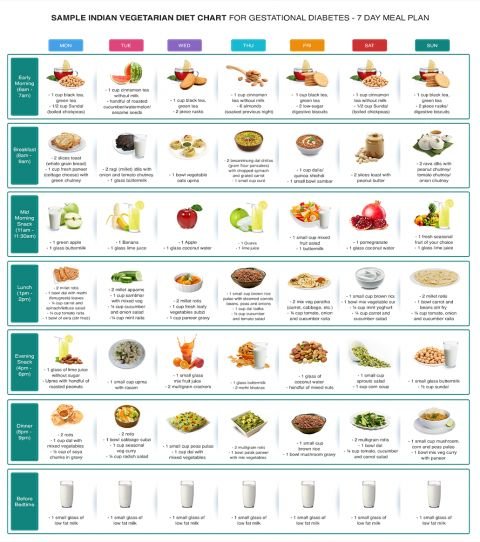 Theory is useful; plates are better. Here is a full South Asian day delivering roughly 80–110 mcg — comfortably above the RDA, safely below the upper limit. Adjust portions to your appetite and calorie needs.
Breakfast: Anda Paratha with Dahi
- 2-egg omelette or anda bhurji cooked with onion, tomato, green chilli (~30 mcg)
- 2 whole-wheat parathas (~15 mcg)
- 1 cup (200ml) dahi (~10 mcg)
- Optional: 1 tablespoon sunflower seeds sprinkled over the omelette (~8 mcg)
Breakfast total: ~55–63 mcg
Mid-Morning Snack
- 1 banana or seasonal fruit
- A small handful (20g) of mixed nuts — peanuts, a few walnuts/akhrot (~3 mcg)
This snack is not a selenium driver; it is here for energy and to show that not every meal needs to chase the mineral.
Lunch: Chicken, Daal, Brown Rice, Roti
- 1 cup cooked masoor or moong daal (~8 mcg)
- 100g chicken curry — use leg pieces for flavour (~28 mcg)
- 1 cup cooked brown rice (~12 mcg) or 2 whole-wheat rotis (~15 mcg)
- Side salad: onion, tomato, cucumber with lemon
- 1 small bowl raita (~5 mcg)
Lunch total: ~53–60 mcg
Evening: Chai and Til
- Doodh patti or chai with milk (~5 mcg)
- 1 tablespoon roasted til (sesame seeds) mixed into a snack, or til added to chutney (~4 mcg)
Evening total: ~9 mcg
Dinner: Machli (Fish) with Sabzi and Roti
- 100g baked or lightly fried rohu, or grilled sardines (~25–45 mcg)
- Mixed vegetable sabzi with mushrooms (~8 mcg)
- 2 whole-wheat rotis (~15 mcg)
Dinner total: ~48–68 mcg
The Day’s Selenium Tally
Adding it up: roughly 165–200 mcg if you eat everything listed at full portions — which overshoots the comfortable zone for everyday eating. In practice, nobody eats the maximum of every line daily. A more realistic execution — dropping the sunflower seeds, having chicken or fish as the main protein rather than both, and eating two full meals plus breakfast — lands at about 80–120 mcg, which is exactly the target.
The practical lesson: with a normal desi diet containing eggs at breakfast, chicken or fish at one meal, daal, whole-wheat rotis, and dairy through the day, you are almost certainly meeting your selenium needs without supplements and without Brazil nuts. That is the reassuring truth behind the sample day — adequacy is easier than the supplement industry suggests.
Vegetarian adaptation: Replace chicken and fish with 2 extra eggs, a daily serving of paneer, mushrooms, and a Brazil nut twice a week (one nut only). Dairy plus eggs (“eggetarian”) covers the RDA comfortably. Strict vegans should emphasise sunflower seeds, whole grains, mushrooms, and lentils — and consider asking their doctor about a blood test, since plant-only diets in low-selenium-soil regions carry the highest deficiency risk.
8. Food First: Why Eating Selenium Beats Supplementing It
For the large majority of people, food is the safer, smarter selenium strategy. Here is why — and when supplements genuinely make sense.
Food Brings Co-Nutrients, Not Just Selenium
Selenium-rich foods deliver the mineral inside a package of complementary nutrients. Fish brings iodine and omega-3s; eggs bring iodine, vitamin D, and choline; sunflower seeds bring vitamin E; dairy brings calcium and iodine. Thyroid health depends on the whole team, not one player — and food gives you the team. A selenium capsule gives you one isolated compound and nothing else.
Food Self-Regulates; Supplements Do Not
It is extremely difficult to give yourself selenosis from food. You would have to eat several Brazil nuts daily for weeks, or consume absurd quantities of fish. Supplements, by contrast, make overdosing easy: a 200 mcg capsule plus a decent diet plus a couple of Brazil nuts can push past 400 mcg without you noticing. The narrow therapeutic window that makes selenium special (Section 3) is precisely why the uncontrolled dosing of supplements is riskier.
Food Selenium Comes in Balanced Forms
In food, selenium exists mainly as selenomethionine (in grains, seeds, and animal protein) and selenocysteine, incorporated into proteins your body knows how to handle. The body absorbs and distributes food selenium through normal protein metabolism — a gentler, self-limiting process compared to a bolus of inorganic selenite on an empty stomach.
When Supplements Are Justified
Supplements have a legitimate place in specific situations:
- Confirmed deficiency on a blood test, with dietary causes identified
- Hashimoto’s patients whose doctor recommends a trial of supplementation alongside treatment
- People on very restricted diets (strict vegan diets in low-selenium regions, or malabsorption conditions like Crohn’s disease)
Supplement Guidance: Forms and Dose Limits
If your doctor advises supplementation:
- Selenomethionine is the preferred form in most clinical trials — well absorbed and closest to food selenium.
- Sodium selenite (inorganic) is also used in trials and is effective, though absorption dynamics differ slightly.
- Dose: most trials used 100–200 mcg/day. Do not exceed 200 mcg/day from supplements without explicit medical supervision — at that level, your total intake (diet + supplement) approaches the 400 mcg upper limit faster than most people realise.
- Duration: discuss a review date with your doctor rather than taking it indefinitely; reassess with blood work.
- Interactions: selenium can interact with certain medications; tell your doctor about all supplements before thyroid surgery or when starting levothyroxine.
The Megadose Warning
Internet forums occasionally promote selenium “megadoses” of 400–800 mcg or more for thyroid or immune benefits. This is dangerous territory. Acute selenium poisoning causes nausea, vomiting, and hair and nail loss within days; chronic high intake damages nerves. There is no credible evidence that megadoses help the thyroid, and clear evidence that they can harm you. More is not better — with selenium, more is toxic.
9. Selenium’s Partner: Iodine and the Thyroid Team
Selenium does not work alone. The thyroid needs several nutrients in concert, and imbalances between them matter as much as absolute levels.
Iodine: The Raw Material
Iodine is the building block of T4 and T3 — every thyroid hormone molecule contains iodine atoms. Most South Asian households get iodine from iodised salt, and deficiency has fallen dramatically since universal salt iodisation. But a subtle interaction matters: correcting iodine deficiency in a person who is also selenium-deficient can temporarily worsen thyroid function, because iodine ramps up hormone production (and therefore hydrogen peroxide generation) before the selenium-dependent antioxidant defences are ready. Research from central Africa documented this decades ago. The practical message is simple: address both nutrients together, through a varied diet, rather than megadosing either one alone.
Iron, Zinc, and Vitamin D: The Supporting Cast
- Iron is required by thyroid peroxidase, the enzyme that makes T4. Iron deficiency — common among South Asian women — can impair thyroid hormone synthesis independently of selenium or iodine.
- Zinc supports the conversion of T4 to T3 and immune regulation; low zinc is frequently found alongside thyroid disorders.
- Vitamin D deficiency is widespread in South Asia despite the sunshine, and some studies associate low vitamin D with higher TPO antibody levels — though causation is not established.
A diet built around the selenium foods in this guide (eggs, fish, chicken, daal, dairy, whole grains) naturally supplies iron, zinc, and iodine too. That is the quiet power of a varied desi diet: it feeds the whole thyroid team at once.
10. Who Is at Risk of Selenium Deficiency?
True selenium deficiency is uncommon in people eating varied diets, but certain groups deserve attention:
- People eating only locally grown plant foods in low-selenium-soil regions. This is the classic risk pattern — documented in parts of China (where the deficiency disease Keshan disease was first described) and suspected in pockets of South Asia. If your entire diet comes from one small area’s soil and contains almost no animal-source foods, risk rises.
- Strict vegans who avoid eggs, dairy, and fish, particularly in regions with variable soil selenium.
- People with malabsorption conditions — Crohn’s disease, coeliac disease, or post-bariatric-surgery patients — who absorb less from food.
- Those on long-term parenteral (IV) nutrition without selenium added.
- Smokers, who have higher oxidative stress and may deplete selenium-dependent antioxidant systems faster.
Symptoms of deficiency are vague and non-specific — fatigue, weakened immunity, hair changes, and in severe cases, thyroid enlargement or heart muscle problems (Keshan disease). Because the symptoms overlap with dozens of conditions, do not self-diagnose deficiency from symptoms. A serum selenium blood test, interpreted by a doctor, is the way to know.
11. Selenosis: Recognising Selenium Toxicity
Because this guide’s readers include supplement users, the toxicity picture deserves its own section — presented plainly, without alarmism.
Early Warning Signs
- Hair loss — often the first and most noticeable sign; can be diffuse or in patches
- Brittle, ridged, or discoloured nails — white streaks, thickening, or nails that break easily
- Garlic-like breath odour — caused by exhaled selenium compounds (dimethyl selenide)
- Nausea, diarrhoea, fatigue, and irritability
- Skin rashes or a metallic taste
How It Happens in Real Life
Documented cases almost always involve one of three scenarios: (1) high-dose supplements taken for months — sometimes because a product was mislabelled and contained far more than stated; (2) daily consumption of multiple Brazil nuts over long periods; or (3) living in an area with extremely selenium-rich soil and water. Ordinary desi meals do not cause selenosis.
What to Do
If you take selenium supplements and notice hair loss or nail changes, stop the supplement and see your doctor. Selenosis from supplements is reversible in most cases once intake normalises — hair regrows, nails recover. Blood selenium testing confirms the diagnosis. And as a preventive rule: if you take a selenium supplement, count your Brazil nuts as part of your dose — or better, skip the nuts on supplement days.
Frequently Asked Questions
1. How many Brazil nuts should I eat per day for thyroid health?
One — at most. A single Brazil nut typically provides 68–90 mcg of selenium, which covers the entire 55 mcg adult RDA on its own. Because individual nuts vary enormously (some contain over 200 mcg), eating a handful can exceed the 400 mcg upper limit in one sitting. Think of Brazil nuts as a once-a-day-or-less top-up, not a snack food. If you take a selenium supplement, skip Brazil nuts that day.
2. Can selenium cure Hashimoto’s thyroiditis or hypothyroidism?
No. Clinical trials show selenium supplementation may reduce anti-TPO antibody levels in some Hashimoto’s patients, but there is no convincing evidence that it improves thyroid hormone levels, symptoms, or disease progression — and it certainly does not cure the condition. Selenium is a nutrient the thyroid needs, not a treatment. Continue prescribed medication such as levothyroxine, and discuss any supplement plans with your doctor.
3. Should I take a selenium supplement, or is food enough?
For most people eating a varied diet — eggs, fish or chicken, daal, whole-wheat rotis, dairy — food is enough, and it is the safer route. Consider a blood test first if you suspect deficiency; supplement only on a doctor’s advice, preferably with selenomethionine at 100–200 mcg/day, and never exceed 200 mcg/day supplemental without medical supervision. Supplements are most justified for confirmed deficiency, certain Hashimoto’s patients under medical care, and people with malabsorption conditions.
4. Does cooking destroy selenium in food?
No — selenium is a mineral, not a vitamin, so heat does not destroy it the way it degrades vitamin C. Some selenium can leach into cooking water (for example, when boiling lentils or vegetables), so using the cooking liquid in curries and daal — as desi cooking already does — retains it. Roasting, grilling, and frying keep selenium in the food itself.
5. Can I get enough selenium on a vegetarian or vegan diet?
Vegetarians who eat eggs and dairy (the common South Asian pattern) can meet the RDA comfortably — two eggs plus dairy and whole grains cover most of the 55 mcg. Strict vegans face a harder path, especially where soil selenium is low: sunflower seeds, sesame seeds, whole grains, mushrooms, and lentils all contribute, but amounts are modest and variable. Vegan readers in South Asia should consider asking their doctor about a serum selenium test rather than guessing.
Conclusion: Feed the Gland, Respect the Dose
 Selenium occupies a rare position in nutrition: a mineral your thyroid cannot function without, delivered by foods you probably already eat, yet dangerous in excess. The science is clear on the essentials — selenoproteins protect the gland and activate its hormones, 55 mcg a day suffices, 400 mcg a day is the ceiling, and soil variation means dietary diversity beats dietary obsession.
The most reassuring finding of this guide is how achievable adequacy is. A South Asian kitchen already holds the answer: anda at breakfast, machli or chicken at dinner, daal and whole-wheat roti through the day, dahi on the side, a sprinkle of surajmukhi ke beej or til when you remember. No exotic superfoods required, no expensive supplement stack — just the varied desi diet, eaten consistently.
What selenium cannot do also matters. It cannot cure Hashimoto’s, replace thyroid medication, or fix a thyroid condition on its own. Anyone promising that is selling something. Treat selenium as what it is: one essential piece of the thyroid’s nutritional team, alongside iodine, iron, zinc, and vitamin D — best obtained from food, dosed with respect, and discussed with your doctor if supplements enter the picture.
If you have a thyroid condition, suspect a nutrient deficiency, or simply want a diet plan built around your health goals and lab reports, personalised guidance makes all the difference. Book a one-on-one nutrition appointment with our UK-registered nutritionist, and get a thyroid-supporting plan tailored to your body, your blood work, and the foods you actually eat.
Keep Reading
Continue with our companion guide: Iodine-Rich Foods for Thyroid: What to Eat, How Much, and What’s Too Much.
References
- NIH Office of Dietary Supplements: Selenium Fact Sheet for Health Professionals (updated September 2025).
- Rayman MP. Selenium and human health. Lancet. 2012;379(9822):1256-1268.
- Gärtner R, Gasnier BC, Dietrich JW, Krebs B, Angstwurm MW. Selenium supplementation in patients with autoimmune thyroiditis decreases thyroid peroxidase antibodies concentrations. J Clin Endocrinol Metab. 2002;87(4):1687-1691.