
Thyroid Diet: The Complete Guide to a Healthy Thyroid
Feeling cold when everyone else feels fine? Gaining weight even though you eat the same as always? Losing hair, feeling sluggish by midday, or noticing your mood dip for no clear reason? These are among the most common complaints we hear — and they often point to a small gland with an enormous job: your thyroid.
A thyroid diet is not a branded weight-loss plan or a 30-day detox. It is simply a way of eating that gives your thyroid gland the nutrients it needs to make its hormones, while avoiding the eating patterns that get in its way. Whether you have hypothyroidism, Hashimoto’s thyroiditis, or you simply want to look after your thyroid, the thyroid diet principles below will help you eat with confidence.
This pillar page is your complete hub for the thyroid diet on Shahjee Nutrition. Below, you will find the key nutrients explained in plain language, practical desi food guidance, and links to every thyroid article we have published.
What Your Thyroid Does, in Simple Terms
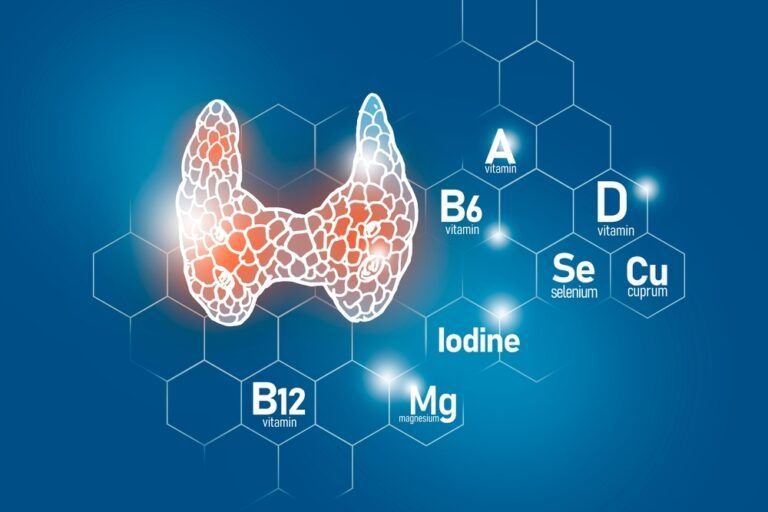
Your thyroid is a butterfly-shaped gland at the front of your neck. It makes two main hormones — thyroxine (T4) and triiodothyronine (T3) — that act like a thermostat and speedometer for your body combined. They set the pace of your metabolism: how fast you burn calories, how warm you feel, how quickly your heart beats, and even how your digestion moves.
When the thyroid is underactive (hypothyroidism), everything slows down: weight creeps up, energy drops, skin dries, hair thins, and you feel the cold more. The most common cause worldwide is Hashimoto’s thyroiditis, an autoimmune condition in which the immune system mistakenly attacks the gland. When the thyroid is overactive (hyperthyroidism), the opposite happens — weight loss, a racing heart, anxiety, and heat intolerance.
Medication is the foundation of treatment for diagnosed thyroid disease, and no thyroid diet replaces it. But the right thyroid diet supports your medication, eases symptoms, and protects the gland from further stress. Think of food as the supporting act, not the headline.
The Key Nutrients in a Thyroid Diet
Your thyroid cannot make hormones out of thin air. It needs specific raw materials, and several of them run low in everyday diets. Here are the nutrients that matter most in a thyroid diet.
Iodine. Thyroid hormones are literally built around iodine atoms — without iodine, there is no T4 or T3. Both too little and too much iodine cause problems, so balance matters more than megadoses.
Selenium. Your thyroid holds the highest concentration of selenium of any organ in the body. Selenium powers the enzymes that convert T4 into active T3 and protects thyroid tissue from oxidative damage during hormone production.
Zinc. Zinc supports thyroid hormone production and the conversion of T4 to T3. It also helps the immune balance that matters in autoimmune thyroid conditions.
Iron. Iron deficiency reduces the activity of the enzyme that builds thyroid hormones. Low iron and hypothyroidism often travel together, especially in women of childbearing age.
Vitamin D. Low vitamin D is frequently seen alongside autoimmune thyroid disease. Sensible sun exposure and food sources help keep levels in a healthy range.
Iodine: The Thyroid Diet’s Building Block
If there is one nutrient that defines the thyroid diet, it is iodine. Your thyroid traps iodine from your blood and stitches it into hormone molecules — a remarkable piece of biological manufacturing that happens every single day.
In Pakistan, iodized salt is the main defence against iodine deficiency, and it works — but only if the salt you buy is actually iodized and stored properly. Keep salt away from heat and moisture, and add it toward the end of cooking where you can. Fish and seafood, eggs, and dairy are other reliable iodine sources for a thyroid diet.
More is not better here. Large iodine doses from supplements or kelp products can actually trigger or worsen thyroid problems. Our detailed guide Iodine-Rich Foods for Thyroid walks through the best food sources and the safe upper limits worth respecting.
Selenium: The Thyroid Diet’s Protector
Selenium rarely makes headlines, but your thyroid depends on it heavily. The enzymes that activate thyroid hormone are selenoproteins, and selenium also shields the gland from the hydrogen peroxide produced during hormone manufacture.
You do not need much — a couple of Brazil nuts can cover a day’s need — and everyday foods like eggs, chicken, lentils, and whole grains add up quickly. Because the gap between “enough” and “too much” is narrower for selenium than for most nutrients, food beats supplements for most people. Read Selenium Foods for Thyroid for the full list of sources and sensible portions.
Foods to Eat for Thyroid Health
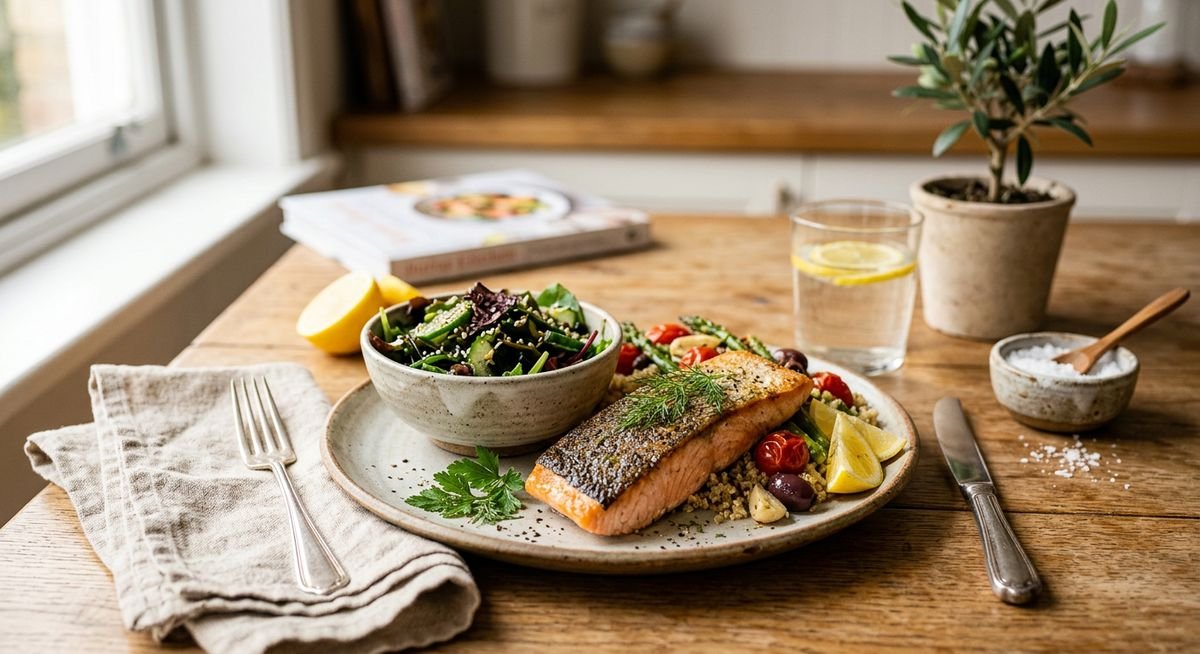
A thyroid-friendly plate is not exotic. It is built from everyday foods: eggs and dairy for iodine and selenium, lentils and beans for iron and zinc, a rainbow of vegetables and fruits, whole grains, and healthy fats. Fatty fish a couple of times a week covers iodine, selenium, and vitamin D in one go.
Our guide to the Best Foods for Thyroid Health organizes these into a practical, shopping-friendly format, so you can build your weekly grocery list around your thyroid instead of guessing.
Foods to Limit or Avoid with Hypothyroidism
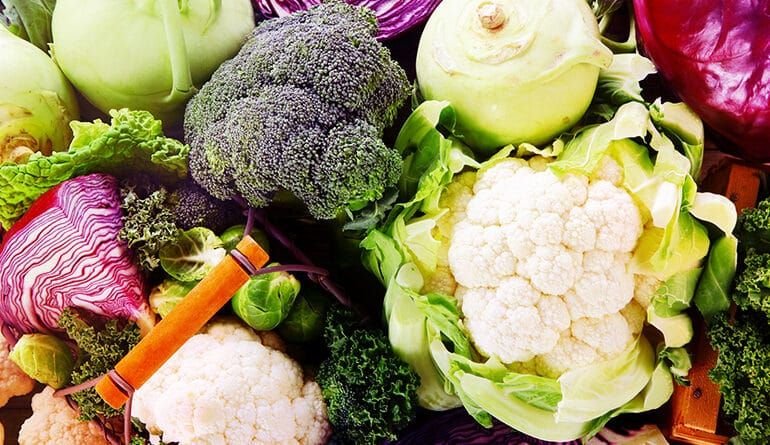
No food is poison, but a few deserve caution in a thyroid diet. Very large amounts of raw cruciferous vegetables (cabbage, cauliflower, broccoli) contain goitrogens, which can interfere with iodine use — cooking largely deactivates them, so cooked sabzi in normal portions is fine. Highly processed foods, sugary drinks, and excessive alcohol make weight management and inflammation worse.
Soy deserves a special mention: eaten in large amounts close to your medication dose, it can interfere with thyroid hormone absorption, though moderate soy foods in a balanced diet are fine for most people. And unregulated “thyroid support” supplements with hidden iodine or glandular extracts can do real harm. The complete rundown is in Foods to Avoid with Hypothyroidism.
What to Eat Day to Day: A Practical Thyroid Diet Framework
Theory is useful, but plates are what matter. A practical thyroid diet for a Pakistani household looks like this: protein at every meal (eggs, chicken, fish, lentils, yogurt), vegetables cooked rather than eaten raw in huge salads, fruit as snacks, whole grains in moderate portions, and iodized salt used sensibly.
For a structured day-by-day approach, see Hypothyroidism Diet Plan: What to Eat, which lays out meal ideas you can adapt to your own kitchen and budget.
Thyroid Medication and Meal Timing
If you take levothyroxine, timing matters as much as food choice. Take it on an empty stomach with water, 30 to 60 minutes before breakfast, and keep calcium supplements, iron supplements, and even your morning chai or coffee a few hours away — they all reduce how much hormone your body absorbs. Consistency beats perfection: the same routine every day keeps your levels stable.
A thyroid diet works with your medication, not instead of it. Never adjust your dose because your diet feels better — that decision belongs to you and your doctor, guided by blood tests.
Explore All Our Thyroid Diet Guides
This pillar page connects to every thyroid article on Shahjee Nutrition. Bookmark this page as your starting point:
- Selenium Foods for Thyroid — why this overlooked mineral matters and where to find it.
- Iodine-Rich Foods for Thyroid — the building block of thyroid hormone, from food not pills.
- Foods to Avoid with Hypothyroidism — what to limit and why, without fear.
- Hypothyroidism Diet Plan: What to Eat — a practical day-by-day eating framework.
- Best Foods for Thyroid Health — the top foods to put on your plate.
Thyroid Diet FAQs
Can a thyroid diet cure hypothyroidism? No. Hypothyroidism usually needs lifelong medication. A thyroid diet supports treatment, eases symptoms, and may reduce strain on your gland — but it does not replace thyroxine.
Should I avoid cabbage and cauliflower completely? For most people, no. Cooking deactivates most goitrogens, and normal cooked portions are fine. Only very large amounts of raw cruciferous vegetables, eaten regularly, are a concern — and adequate iodine intake protects you further.
Do I need selenium or iodine supplements? Most people do not. Food sources cover both nutrients well, and supplements can overshoot into harmful ranges. Get your levels tested before supplementing, and discuss it with your doctor.
Why am I gaining weight if my thyroid levels are normal on medication? Weight with hypothyroidism is multifactorial — medication normalizes hormones, but portion sizes, activity, sleep, and other conditions still drive weight. A balanced thyroid diet plus regular movement is the honest answer, not a magic food.
The Bottom Line on the Thyroid Diet
A good thyroid diet is refreshingly ordinary: enough iodine and selenium from real food, plenty of protein and vegetables, cooked rather than raw crucifers in moderation, and medication taken correctly and consistently. Small, steady habits protect a small but mighty gland.
For the general healthy-eating principles that underpin any thyroid diet, the World Health Organization’s healthy diet fact sheet is a useful reference.
Health disclaimer: This page is for general education only and is not medical advice, diagnosis, or treatment. See our Health Disclaimer. If you have thyroid disease, work with your doctor for testing and treatment.
Thyroid Diet in Pictures: Explore the Guides
Prefer to browse visually? Each picture below opens one of the in-depth guides in this thyroid diet collection.