

Kids Nutrition: The Complete Guide to Healthy Kids
Children rarely eat because a chart told them to — they eat what tastes good, what is in front of them, and what the family is eating. That is exactly why kids nutrition is really family nutrition. Get the home food right and children mostly take care of themselves: their growth, their immunity, their school performance, and even their mood all run on the same ordinary meals the adults share.
This page is the central hub for our kids nutrition articles. Below you will find the essentials — the nutrients that matter most, a simple plate rule, practical ideas for lunch boxes and snacks, and guidance for trickier situations like childhood obesity — plus links to five in-depth guides you can explore one by one.
Why Kids Nutrition Shapes a Lifetime
The first years of life build the body a child will live in for decades. Bones grow fastest before the teenage years; the brain does most of its development in early childhood; and food preferences form young and tend to stick. A child who grows up eating daal, sabzi, eggs, fruit, and yogurt learns to like those foods as an adult. A child raised on packaged snacks and sugary drinks learns that too.
The encouraging part is that kids nutrition does not demand special “kids food” cooked separately. In most Pakistani homes, the regular family meal — roti, salan, daal, dahi, fruit — is already close to what a child needs. The work is mostly in portions, timing, and keeping the ultra-processed extras in their place rather than at the center of the diet.
The Key Nutrients Growing Kids Need
Children need the same nutrients adults do, but in a smaller body that is growing fast, so the density of the food matters more than the quantity. Seven nutrients deserve special attention:
- Protein. Builds muscles, skin, hair, and immune defenses. Eggs, daal, chicken, milk, yogurt, and fish all deliver. Most children need protein at every meal, not just once a day.
- Calcium. Bones are built in childhood, and calcium is the raw material. Milk, yogurt (dahi), lassi, paneer, and sesame seeds (til) are the practical desi sources.
- Iron. Growing bodies make more blood, and iron carries the oxygen. Red meat, liver in small amounts, daal, and leafy greens matter — and vitamin C from fruit or lemon helps the body absorb iron from plant foods.
- Vitamin D. Works with calcium for bones. Safe morning sunlight is the main source for most children; fortified milk and eggs contribute too.
- Iodine. Essential for the thyroid and brain development; iodized salt used normally in cooking covers it.
- Zinc. Supports immunity and growth. Meat, eggs, chickpeas (chana), and whole grains provide it.
- Omega-3 (DHA). Supports the developing brain and eyes. Fish once or twice a week, walnuts, and flaxseed are the practical sources.
The Healthy Plate Rule for Kids
Forget calorie counting for children. One visual rule handles most of it: at lunch and dinner, fill half the plate with sabzi and fruit, one quarter with protein (daal, chicken, eggs, meat), and one quarter with roti or rice. Add a glass of milk or a bowl of dahi on the side, and the meal is complete. This plate rule teaches portion sense without making food a source of anxiety — children should never be put on restrictive diets without a doctor’s or dietitian’s guidance.
Lunch Boxes That Come Home Empty
The school lunch box is where good intentions meet reality: it must survive hours in a bag, be easy to eat quickly, and actually appeal to a child. Paratha rolls with omelette or kebab, vegetable pulao, chicken sandwiches on whole wheat bread, fruit, and a small box of yogurt rotate well through a week. Avoid the daily chips-and-biscuit box — not because one packet harms a child, but because habits form by repetition. For 16 tested combinations parents can actually make, see Healthy Lunch Box Ideas for School Kids: 16 Balanced Combos Parents Can Actually Make.
After-School Snacks Without the Sugar Crash
Children arrive home hungry and reach for whatever is visible. If the visible thing is fruit, roasted chana, peanuts, yogurt, or a banana, that becomes the habit. Keep the sugary and fried snacks out of daily reach — not banned forever, but not the default. Timing matters too: a proper snack at 4 or 5 in the evening protects dinner appetite instead of ruining it. For 40 practical ideas that keep kids going, see Healthy Snacks for Kids After School: 40 Easy Ideas That Keep Them Going.
Foods That Feed the Brain
School performance runs on the same nutrients as the body: iron for focus, omega-3s for the developing brain, B-vitamins from whole grains and eggs, and steady energy from proper breakfasts. A child who skips breakfast or starts the day on pure sugar concentrates poorly by mid-morning — while eggs, milk, whole wheat, and fruit give the brain a steady supply. For the full evidence on which foods support learning and memory, see Best Foods for Child Brain Development: A Parent’s Evidence-Based Guide.
A Healthy Diet Chart for Kids by Age
A two-year-old and a twelve-year-old have very different needs: toddlers eat small, frequent meals with plenty of healthy fats for brain growth, while school-age children need bigger protein portions and more iron and calcium to fuel growth spurts. The diet chart below the guides section walks through ages 2 to 12 with sample meal patterns for each stage — what changes, what stays the same, and how to handle the famously picky years. See Healthy Diet Chart for Kids: A Complete Guide for Parents (Ages 2–12).
Childhood Obesity: When Weight Becomes a Health Issue
Childhood obesity is rising in Pakistan’s cities, driven by sugary drinks, screen time, and snack-heavy eating patterns. It deserves a calm, blame-free response: no crash diets, no shaming, no skipping meals. The approach that works is the whole family eating better together, more daily movement, water instead of sugary drinks, and regular sleep — with professional guidance when the weight gain is rapid or the child has related health issues. For a safe, parent-focused plan, see Childhood Obesity Diet Plan: Safe Guide for Parents.
Explore All Our Kids Nutrition Guides
Each guide below goes deep on one part of kids nutrition. Start with whichever matches your family today:
- Healthy Diet Chart for Kids: A Complete Guide for Parents (Ages 2–12) — age-by-age eating patterns.
- Healthy Lunch Box Ideas for School Kids: 16 Balanced Combos Parents Can Actually Make — school lunches that work.
- Healthy Snacks for Kids After School: 40 Easy Ideas That Keep Them Going — snacks without the sugar crash.
- Best Foods for Child Brain Development: A Parent’s Evidence-Based Guide — nutrition for learning and focus.
- Childhood Obesity Diet Plan: Safe Guide for Parents — a calm, safe approach to excess weight.
Kids Nutrition FAQs
How much milk should my child drink daily?
For most children over two, about two servings of dairy a day — two glasses of milk, or milk plus yogurt or dahi — covers calcium needs alongside other foods. More is not better; very high milk intake can actually reduce iron absorption and crowd out other foods.
What if my child is a picky eater?
Picky eating is normal between ages two and six. Keep offering rejected foods without pressure — repeated, no-stress exposure works better than forcing. Serve family meals together, avoid short-order cooking, and trust that most picky phases pass if the home food stays healthy.
Are packaged juices and flavored milk okay for kids?
As occasional treats, yes. As daily habits, no — they add a lot of sugar with little nutrition. Water and plain milk should be the everyday drinks; whole fruit beats juice because it keeps the fiber.
Should children take multivitamins?
A varied diet covers most children. Supplements make sense only for specific gaps — vitamin D in low-sunlight months, iron if a doctor finds deficiency — and should be chosen with a pediatrician or dietitian, not by advertisement.
The Bottom Line on Kids Nutrition
Kids nutrition comes down to a few steady habits: regular family meals built on roti, daal, sabzi, eggs, dairy, and fruit; water and milk as the everyday drinks; snacks that are real food; and a calm, pressure-free table. Build that environment and children learn healthy eating the way they learn language — by living in it.
For a global overview of healthy eating principles that underpin everything on this page, the World Health Organization’s healthy diet fact sheet is a useful, trustworthy reference.
This page is for general education only and is not medical advice. Children grow at different rates and have different needs — please read our Health Disclaimer and follow your pediatrician’s or dietitian’s guidance, especially for children with health conditions or growth concerns.
Kids Nutrition in Pictures: Explore the Guides
Prefer to browse visually? Each picture below opens one of the in-depth kids guides in this cluster — from lunch boxes to brain foods.
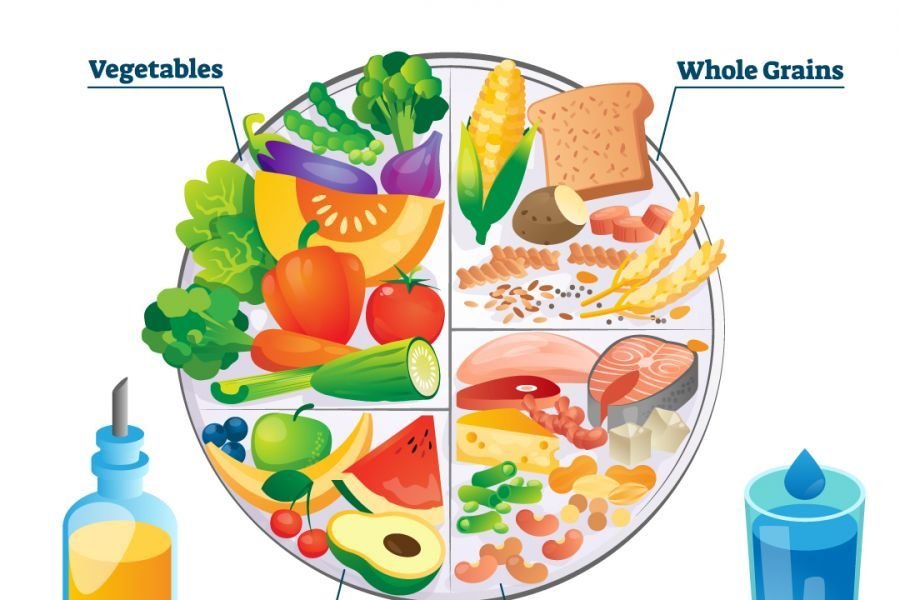
The healthy diet chart for kids — a complete guide for parents, with age-by-age needs.

Sixteen balanced lunch box combos parents can actually make — and kids actually eat.
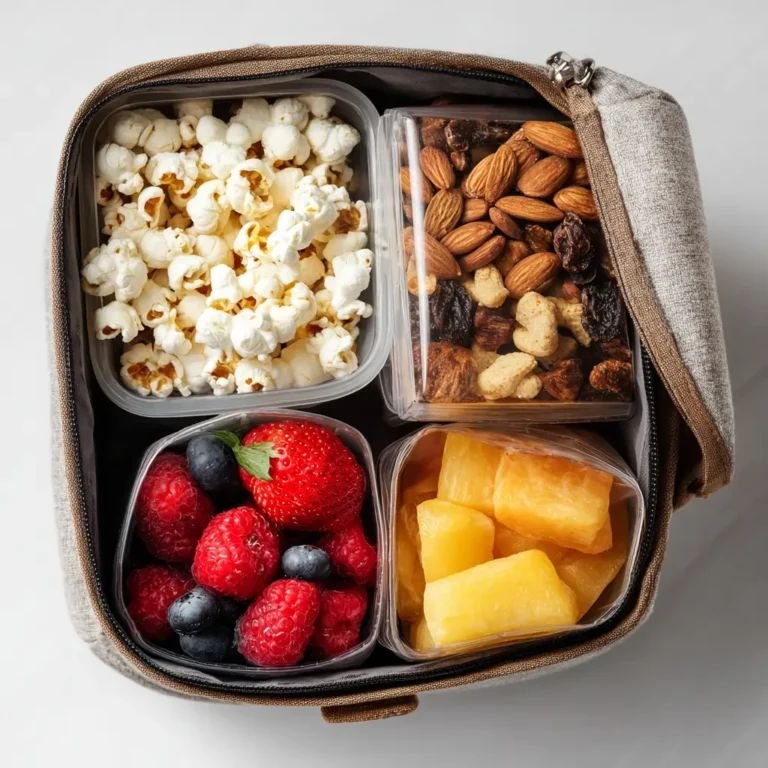
Forty easy after-school snack ideas that keep kids going — without the sugar crash.
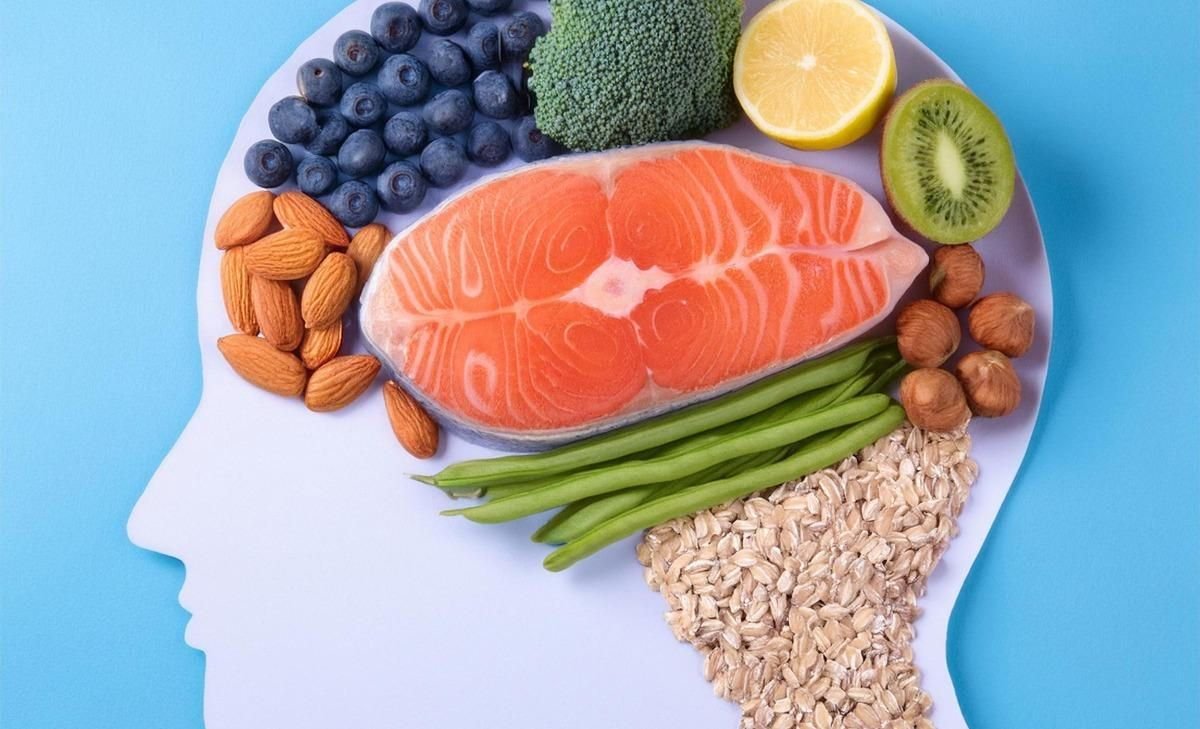
The best foods for child brain development — a parent’s evidence-based guide.
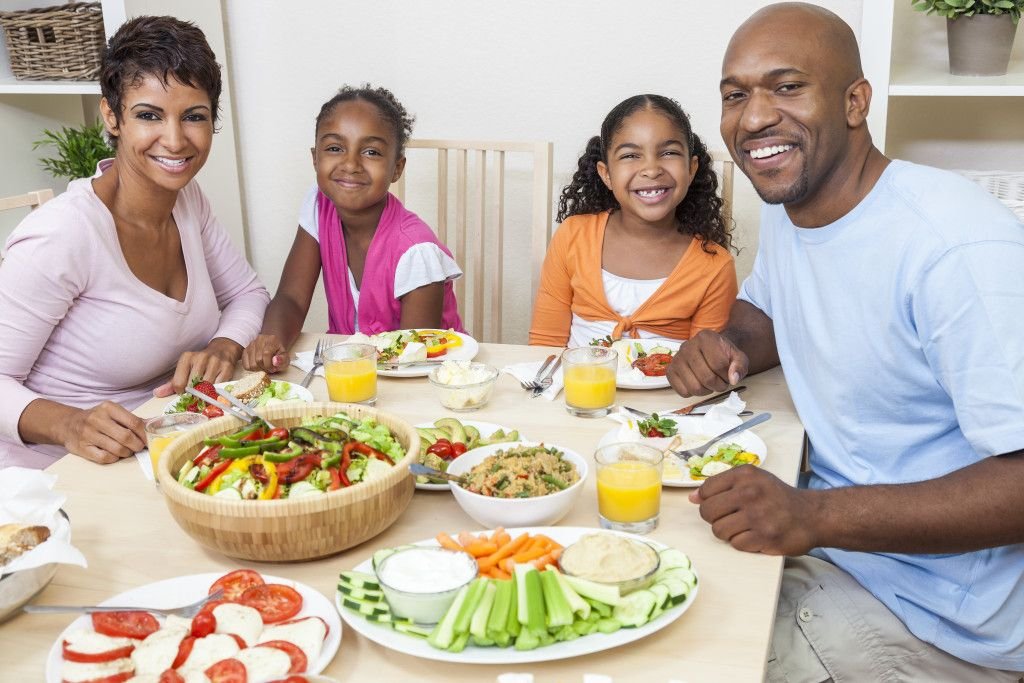
The childhood obesity diet plan — a safe, family-based guide for parents.